


(Post 3E in a series. Click here to read from the beginning.)
NOTE: You can use these self-support techniques on their own, or you can combine them with some sort of “bridge statement” that fits your current situation.
These self-support techniques can be used any time that you know your subconscious “is up in arms.” For example:
- Your heart is racing a little faster than is called for under the circumstances.
- Your blood pressure is suddenly higher than normal.
- You are breathing a little more rapidly than normal and/or your breath is shallow.
- Your perspiration has increased; Your palms are sweaty.
- Your digestion is reduced (you are constipated); you are experiencing dry mouth, nausea, or decreased appetite.
- You are feeling anxious, irritable, panicky, or hyper-vigilant.
- You are experiencing fatigue after the initial surge or trouble sleeping.
These techniques can interrupt a stress spiral! The more consistently you use them, the more effective they become.
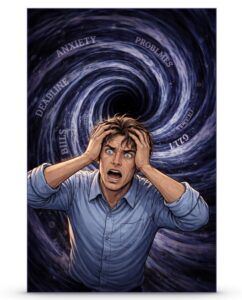
These self-support techniques can also be used before or during daily acute stressors to manage your nerves and stay grounded. For example:
- Before a public speaking engagement.
- When you are anticipating a tense meeting with a colleague, or a tense conversation with a friend or spouse.
- When you are facing impending deadlines or assignments.
You can also use them for chronic/ongoing stressors (persistent, long-term situations that do not have a clear end in sight. For example:
- Financial difficulties (debt, unemployment, high cost of living).
- High-pressure or toxic work environments (excessive workload, poor management).
- Strained, unhappy, or abusive relationships.
- Chronic illness or injury.
- Caregiver burden (looking after a sick family member).
And they can be used when there are social and performance stressors (situations involving possibly being evaluated by others or involving some sort of social pressure.



They can be used for general emotional regulation:
They can provide a moment to respond thoughtfully, rather than reacting impulsively during difficult conversations or post-conflict situations. They can also be used to interrupt a habitual emotional response to a particular trigger. For Example:
- “Every time “x” happens, I feel very angry.”
- “Every time Marina does “x” I feel extremely disappointed.”
- “Every time, I think a particular thought, I feel very discouraged.”
Use these techniques to “break the habit.” Use them to “un-couple” the habitual emotional response from the known trigger.
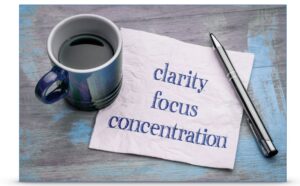
These techniques might also be used to improve focus and clarity:
They can help quiet mental noise that is being caused by stress. And they can help you think more clearly and concentrate on tasks when you find yourself distracted.
You might also consider using them as a wind-down routine:
Utilizing them before bedtime can help ease the transition into sleep and combat overthinking.

You might also use these self-support techniques when feeling overwhelmed or “shut down.”
They can help you to shift your physiological state from a “fight or flight” (sympathetic) or a “shutdown” (dorsal vagal) state to a more regulated, calm, and socially engaged (ventral vagal) state.


But don’t make the mistake of using these techniques ONLY for what I have suggested above.
They can also be practiced daily, even when one is NOT in a stressful situation. They can be used to build ongoing emotional resilience. Even short,consistent practice (a few minutes a day) can build emotional resilience and improve overall mood and possibly even increase heart rate variability (HRV) over time.
Consistent practice over time IS THE KEY!